
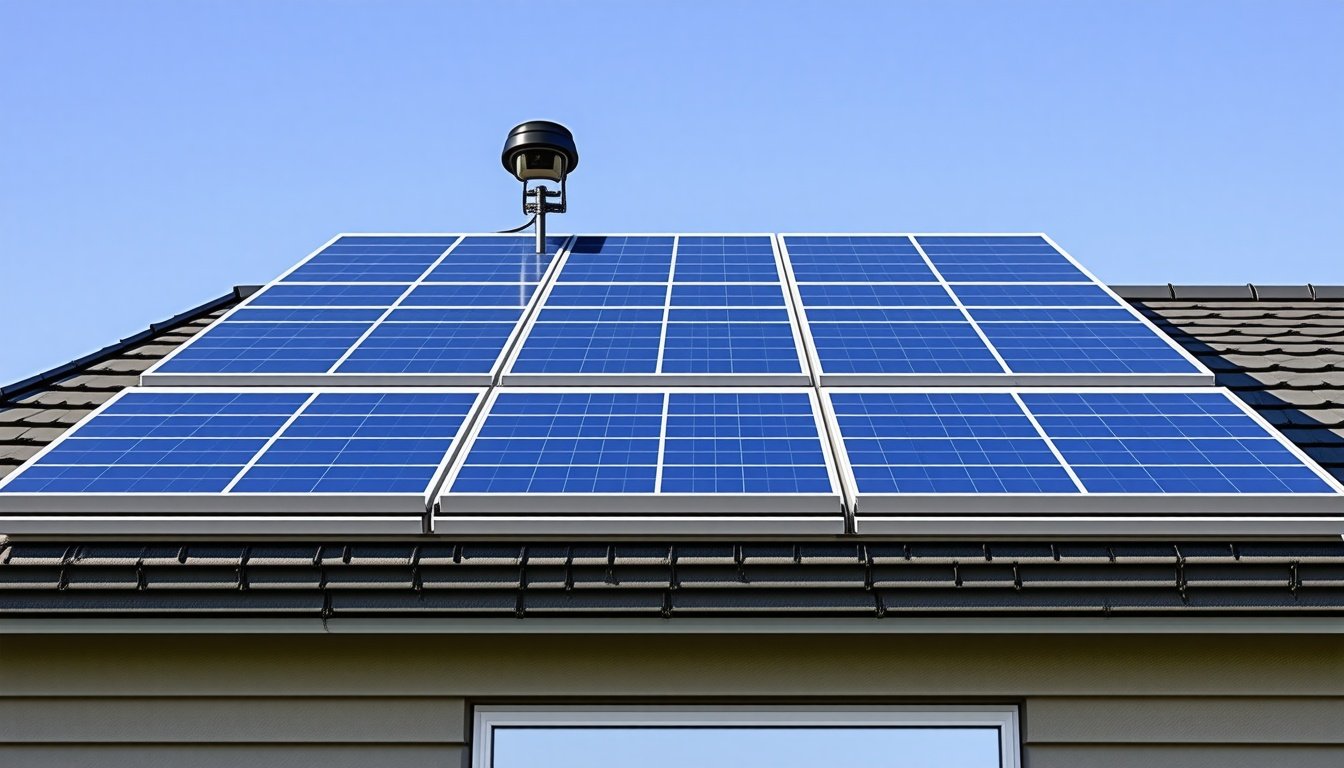
You know that satisfying feeling when you set up a solar-powered security camera and realize you might never have to wrestle with wires or pay for batteries again? Yeah, it is pretty sweet. The idea of a camera quietly soaking up the sun and watching over your home feels like a little slice of future living today. But let us have a quick chat—because here is the thing: solar-powered security cameras, while clever and low-maintenance on paper, are not those self-sufficient robots you see in the movies. They need love, patience, and a bit of hands-on TLC to keep them snapping shots like champs.
So, what does it really take to keep these sun-hungry guardians of safety in top shape? Pull up a chair. I am going to spill the beans on everything from simple cleaning hacks to little tweaks that make a surprisingly big difference. It is not rocket science, but it does require paying attention. After all, an unhappy camera means blind spots, missed moments, and that nagging feeling of “What if?” Nobody wants that—especially when you have gone green and committed to eco-friendly gear.
Solar-Powered Cameras: Not Just Plug-and-Play
Alright, first off: no gadget is completely hands-off. Solar-powered security cameras get their juice from the sun, and that is brilliant, but the sun does not always cooperate. Cloudy days, shadows, even dirty lenses can throw a wrench in the system. Plus, these cameras are usually somewhere outside, begging for dust, rain, bugs, and random splashes of mud to mess things up. So, while these devices save you from regular battery swaps, they have their own quirks.
And because they rely on solar panels, you have to keep those panels happy. Think of your solar panel like a hungry bee—it needs sunlight, a clean surface, and a clear path to gather power. If you ignore it, your camera might go into “power saver” mode just when you need it most.
How Often Should You Check Your Solar Setup?
Look, life is busy, I get it. Nobody wants an extra chore on their list. But let me ask you this: when was the last time you looked up at your solar panel? If it has been a while, your camera is probably feeling neglected.
Here is a simple plan I like: once a week, spend five minutes giving the panel a quick glance. Is it covered with leaves? Is there a spider web doing its thing? Is dirt or dust settling like an unwanted guest? If the answer is yes to any of those, grab a soft cloth and wipe it off. Not hard. No fancy gear needed. Just clean water and a gentle hand.
Of course, depending on where you live, you might need to check more or less often. Dusty areas, heavy pollen seasons, or tree-heavy yards mean more frequent cleanups. And if you live where snow falls, you absolutely cannot ignore those white blankets. Solar panels under snow are basically napping instead of working.
Pro Tip: Watch Your Battery Level
Most solar-powered security cameras let you peek at their battery status through an app. If you are not curious about that number, you might want to start. It tells you how well your panel and battery are playing together. If battery levels drop weirdly fast, that is a red flag. It might be time to clean, reposition, or even trim a nearby branch that suddenly decided to block the sun.
Cleaning Like a Pro Without Feeling Like a Chore
I am going to be honest: cleaning solar panels on security cameras is not glamorous. It is kind of like brushing your teeth. Not everyone loves it, but skipping it leads to trouble. Here is the trick: keep it super simple and quick.
- What you need: A microfiber cloth or a soft sponge, some clean water, and maybe a little dish soap if things get greasy.
- What to avoid: Harsh chemicals, scrubbing brushes, or anything abrasive that scratches the panel or lens.
- How to do it: Dampen your cloth with water (add a drop of soap if necessary), gently wipe the solar panel, then do the same for the camera lens. Remember, the lens is how your camera sees the world—dirty glass equals blurry footage.
And here is a little secret: do this early in the morning or late in the afternoon when the panel is cool. Wiping hot glass is like cleaning a car windshield in full sun. You get streaks and water spots.
Plus, if you spot any bugs—hello, bug invasion—gently remove them so they do not set up shop.
Where You Place That Camera Matters More Than You Think
Placement is a silent game-changer. A poorly placed solar security camera is like a plant stuck in the shade—it just will not thrive. Let us chat about three major spots to consider:
- Sunny spots: Aim for a place where the panel gets direct sunlight for several hours a day. Watch out for swaying branches or creeping shadows that show up only part of the year.
- Angle matters: Solar panels have a sweet spot depending on your latitude. Too flat and they catch less sun; too steep and … yeah, also less sun. Most cameras come with adjustable mounts—use them.
- Security vs. solar power: You want to keep your camera hidden enough not to be tampered with, but also sunny enough to keep it powered. Sometimes that feels like a balancing act on a tightrope.
Honestly, if you get placement wrong, you will see battery woes and frustrated tech blues faster than you can say “night vision.”
Little Things Count
Have you noticed how your camera sometimes faces a window or a reflective surface? Those reflections can confuse motion sensors or flood the lens with glare. Also, shadows from chimneys or vents can cast sneaky shade on your panel. Take time to walk around your house at different times during the day and see how sunlight moves. It might feel a bit like bird watching for the sun, but it pays off.
Weather Worries and How to Chill Out
Weather is a wild card, right? Solar panels and cameras are pretty tough, but they are not indestructible.
Rain is usually not a problem since most models are weatherproof. Dust storms or heavy pollen? That is a different story—they clog the panels. Snow builds up like a blanket and blocks sunlight entirely. Here is a little note: never chip at ice or snow with a sharp tool; you might damage the panel. Instead, use a soft brush or a cloth to carefully clear it away.
And speaking of temperature swings, if you live where nights dip below freezing, make sure your camera has frost protection or that the battery is rated for cold climates. Cold batteries drain faster, which sucks when you want your camera active 24/7.
Battery Basics: The Heartbeat of Your Camera
Solar panels gather power, but batteries keep the show running when the sun takes a break. These batteries are usually rechargeable lithium-ion or lithium iron phosphate. They last a while but not forever.
Here is the deal: over time, batteries lose capacity. That means fewer hours of power stored after a sunny day. When your camera starts throwing low-battery alerts even though the panel is shining bright, it is probably time to think about swapping that battery.
Some cameras have built-in batteries that are tricky to replace, while others let you pop open a compartment easily. Find out what kind you have and keep an eye on replacement costs. Your eco-friendly gear should not wreck your budget.
Battery Health Tips
- Try not to let your battery go completely dead. Deep discharges can shorten battery life.
- If you are going away for a long stretch, consider unplugging or turning off the camera to avoid draining the battery in low-sun conditions.
- Keep battery contacts clean and dry for the best juice flow.
Tech Troubleshooting: When Things Go South
Despite your best efforts, stuff happens. Sometimes your camera might not connect to Wi-Fi, the footage gets choppy, or the camera just goes dark. Before panicking or calling in the pros, try a few quick fixes:
- Restart the camera: Like a cranky teenager, sometimes it just needs a reset to get its act together.
- Check Wi-Fi range: Solar cameras often rely on a solid internet connection. If your router is inside and your camera is outside, try moving the router closer or adding a Wi-Fi extender.
- Firmware updates: Those updates do more than annoy you with pop-ups—they fix bugs and improve performance.
- Look for obstructions: Branches, pets, or even your neighbor’s new trampoline might be blocking signals or the camera’s view.
When nothing works, it is okay to reach out to customer support. Sometimes a fresh pair of eyes (or ears) on the phone saves hours of frustration.
Why Bother With Maintenance at All?
You might be thinking, “Why put in all this effort? I got a solar camera to avoid exactly this kind of TLC!” Well, here is the honest truth: any piece of tech works best when you treat it like a living thing. A little care goes a long way. The camera will last longer, capture better footage, and give you peace of mind.
Plus, a well-maintained solar security camera is a tiny but mighty step toward a greener home. It reduces battery waste, cuts energy costs, and lets you sleep easier knowing your eco-gear is doing its job.
Final Thought: Solar Security Cameras Are Friends, Not Robots
So here is the bottom line—solar-powered security cameras are awesome. They combine smarts with green living. But they are not magic. They need sunlight, clean panels, a comfy spot, and a little nudge from you now and then. Taking five minutes a week to check, clean, or adjust your camera is a small price for a big slice of security and environmental kindness.
And think about this: caring for them turns what might seem like boring chores into moments where you connect with your home and nature. You feel the pulse of the sun, the chill of the winter, and the dance of shadows. Your camera sees it all, but it is you who keeps the show running.
So go on, get out there, and show your solar security camera some love. It has your back—and the sun is waiting.